
Collaborative Research

Sharing ideas and sharing costs
Collaborative research drives innovation and the development of new technologies and products, strengthening competitiveness and supporting long-term success for all partners involved. We bring fresh perspectives and novel problem-solving approaches to joint projects. Thanks to strong synergy between partners, collaboration delivers more comprehensive and robust results. By sharing funding, equipment and infrastructure, costs are reduced and research efficiency increases. Developing a completely new product that does not yet exist on the market is never simple. Together with our research infrastructure, however, new solutions become achievable.
Examples of collaborative research projects

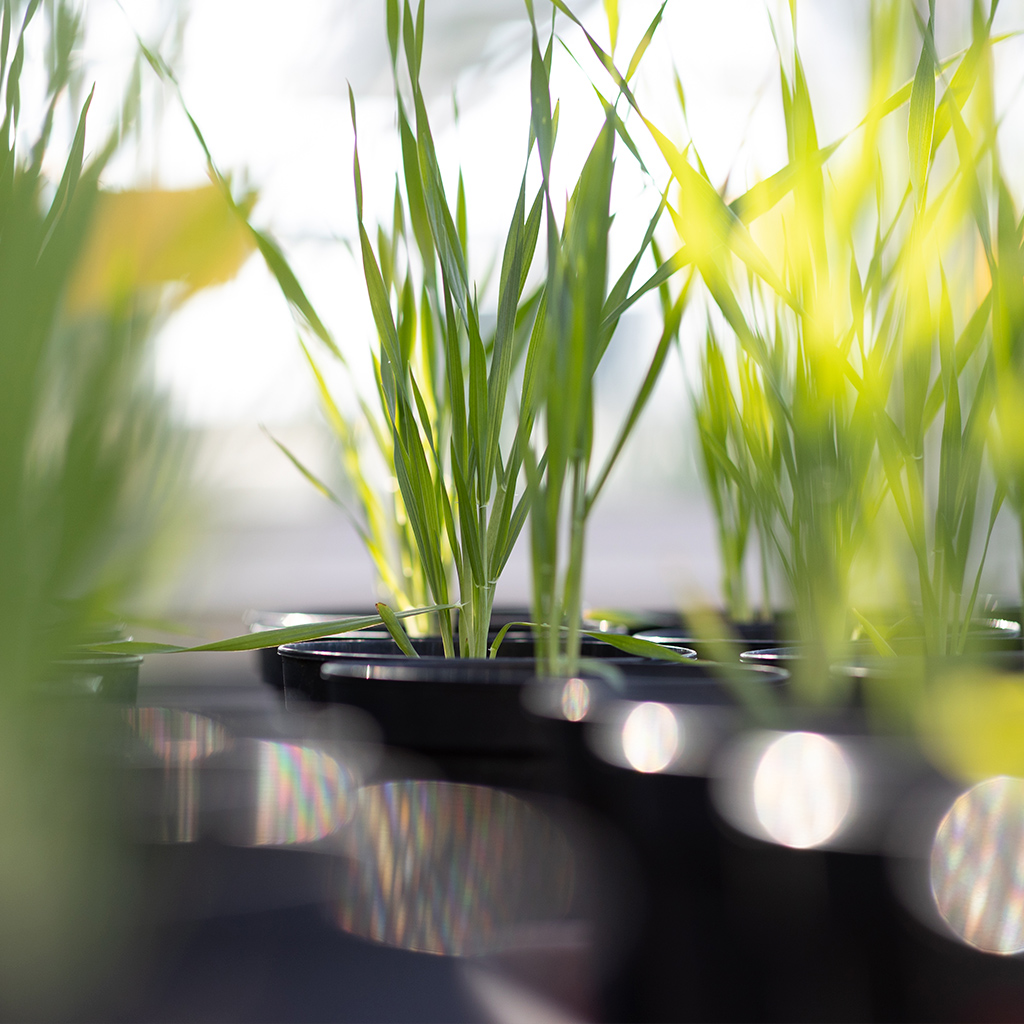
In cooperation with Úsovsko, we developed and patented a molecular farming technology using green barley for the production of recombinant antimicrobial peptides. These peptides are currently being tested for use in antibacterial cosmetic creams.
Ivo FrébortDevelopment of new permanent magnets based on epsilon-Fe2O3
Scientists collaborated with GZ Media a.s. on the preparation of new permanent magnets based on epsilon-Fe2O3. The experts produced laboratory-scale quantities of nanopowder with an optimised content of individual structural forms of iron oxide and assessed the influence of chemical composition on the pressing process of powder mixtures, with the aim of optimising the pressing process.

Patented method for producing barley plants expressing antimicrobial peptides
Researchers, in collaboration with Úsovsko, patented a method for producing barley plants that generate antimicrobial peptides. The invention concerns a method for preparing genetically modified barley plants that produce recombinant biologically active antimicrobial peptides, in particular antimicrobial peptides from the cathelicidin group, for the purpose of molecular farming. The method also describes an easy purification process from barley grains. After isolation and purification, the recombinant products can be used in the pharmaceutical or cosmetic industries, in veterinary medicine or in plant protection.
Use of recombinant LL-37 to reduce microbial load in veterinary farming (REMI-VET)
CATRIN researchers, in cooperation with a commercial partner, are working on a project within the SIGMA – Proof-of-Concept programme of the Technology Agency of the Czech Republic. The aim of the project is to verify the potential use of the antimicrobial peptide LL-37, which can be produced recombinantly in barley grain, for the treatment and prevention of mastitis in dairy cows.
The researchers build on previous results in the field of LL-37 production in plants. They work with an optimised, biologically active form of recombinant LL-37 that they developed themselves. This is a unique approach combining modern molecular farming methods with the aim of offering new possibilities in veterinary care and reducing antibiotic consumption.
Mastitis is among the most common reasons for antibiotic use in dairy cattle, and the average dairy cow in the EU is treated with antibiotics approximately twice a year. There are around 23 million dairy cows in the EU, and pressure from both regulators and consumers to reduce antibiotic use continues to increase, in line with the One Health principle. Economic losses associated with a single case of clinical mastitis range from EUR 230 to 460. There is currently a lack of an affordable and effective product on the market that could prevent mastitis without being based on antibiotics.
NanoEnviCz: world-class infrastructure for nanomaterials research and environmental impact studies
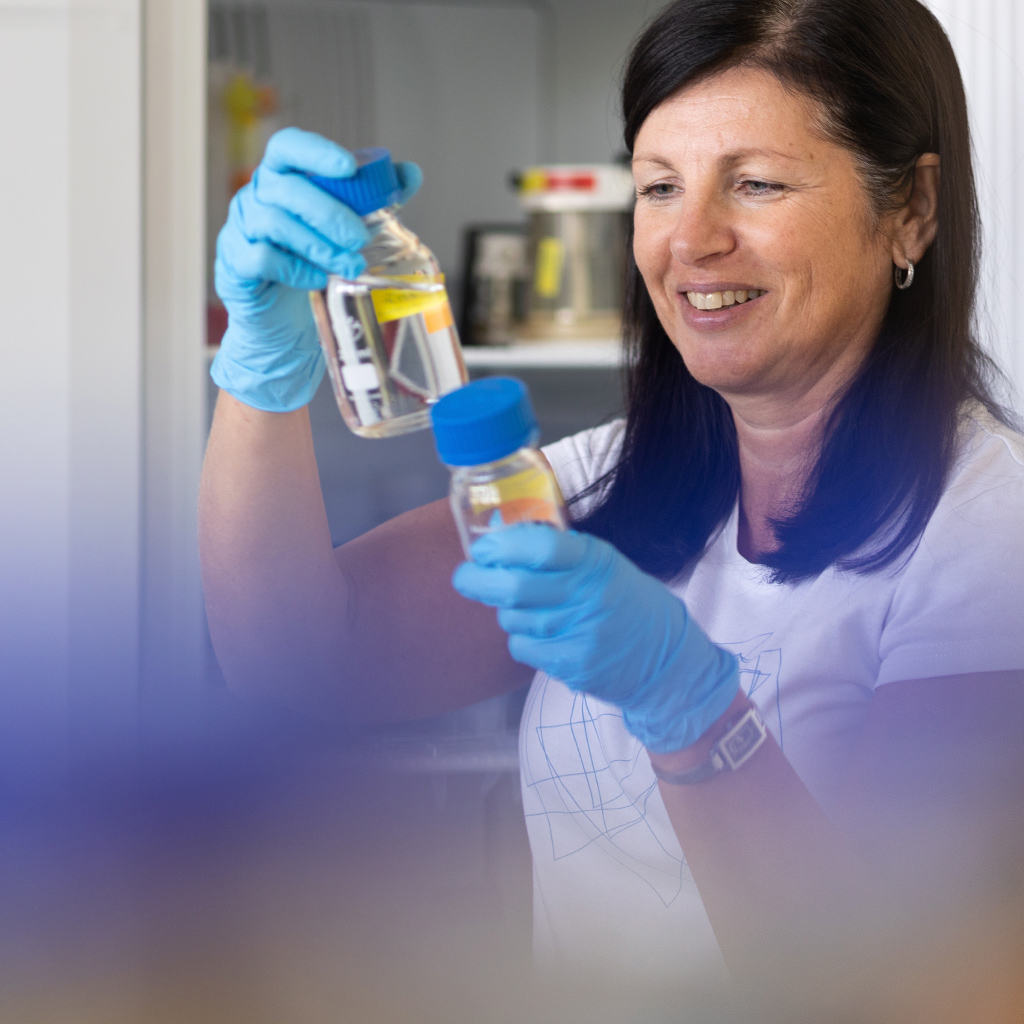
The NanoEnvi.cz large research infrastructure, of which CATRIN is a part, offers access to often unique instruments and facilities for environmental and materials research. “We have created a platform that fully covers all aspects of advanced nanomaterial synthesis, structural analysis, monitoring of harmful effects and targeted tuning of functional properties. We can also support solutions to major strategic challenges, such as materials for energy storage, photovoltaics, biosensing, pollutant monitoring in water and soil, or toxicity studies. In medicine, NanoEnviCz has significantly contributed to the development of a new field—nanoenzymes—which, thanks to their unique properties, are finding applications in the treatment of Parkinson’s and Alzheimer’s disease,” said Petr Jakubec, Head of the Olomouc team.