
Cannabis remains stigmatized in Czechia, but barriers are gradually falling
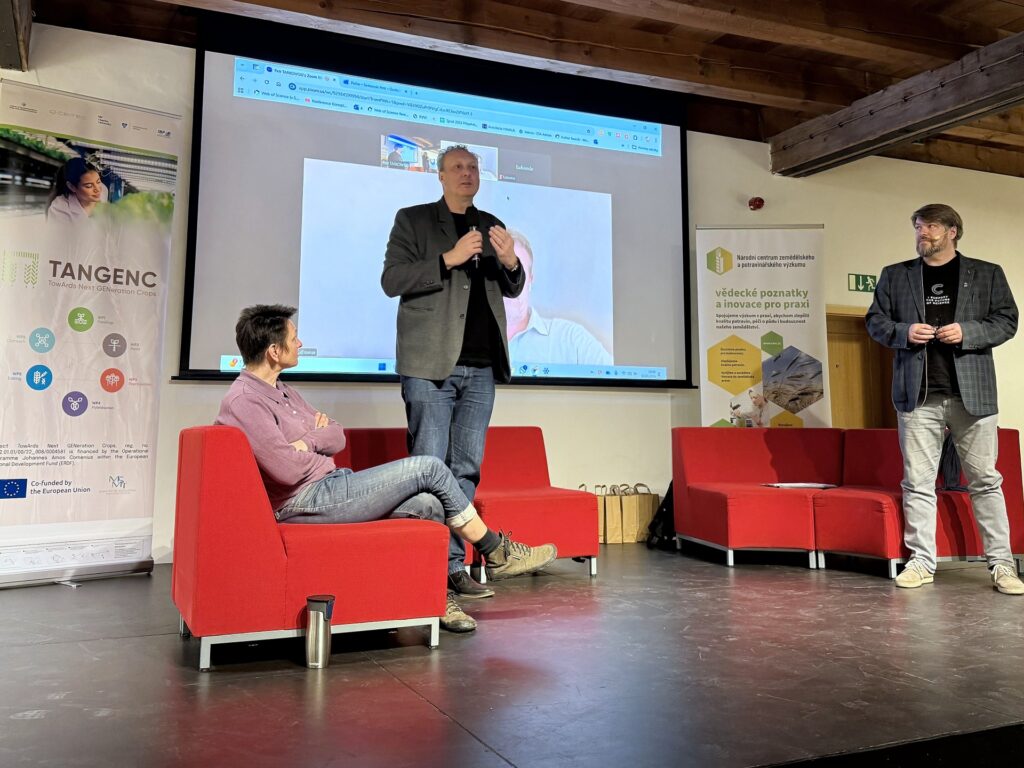
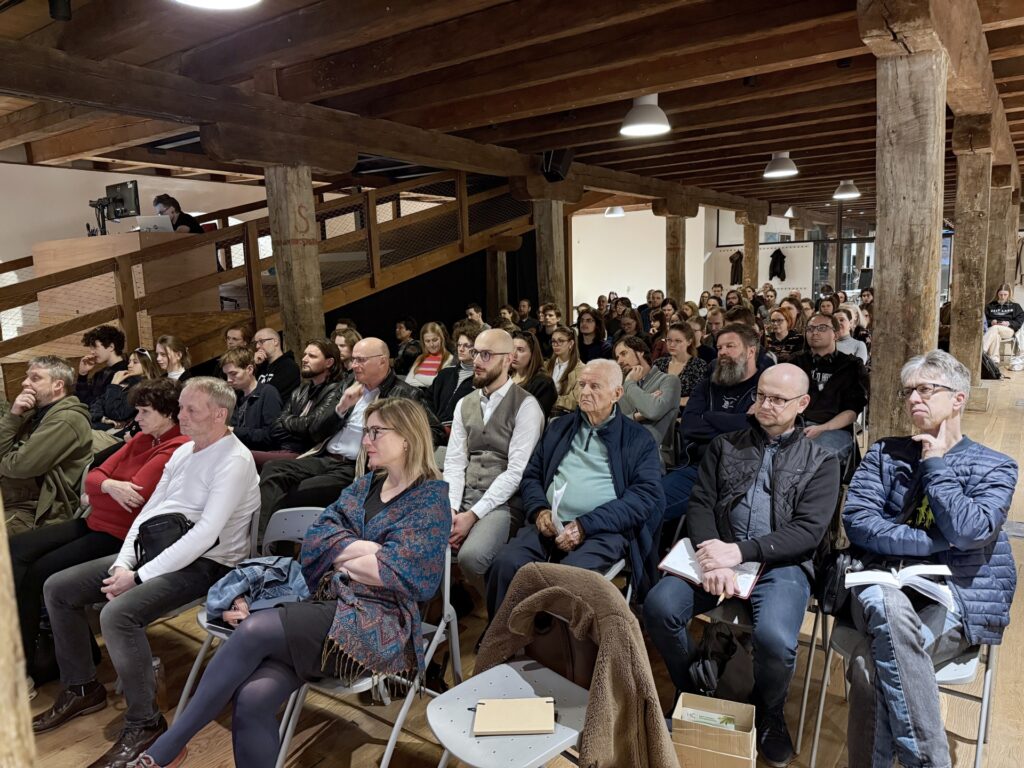
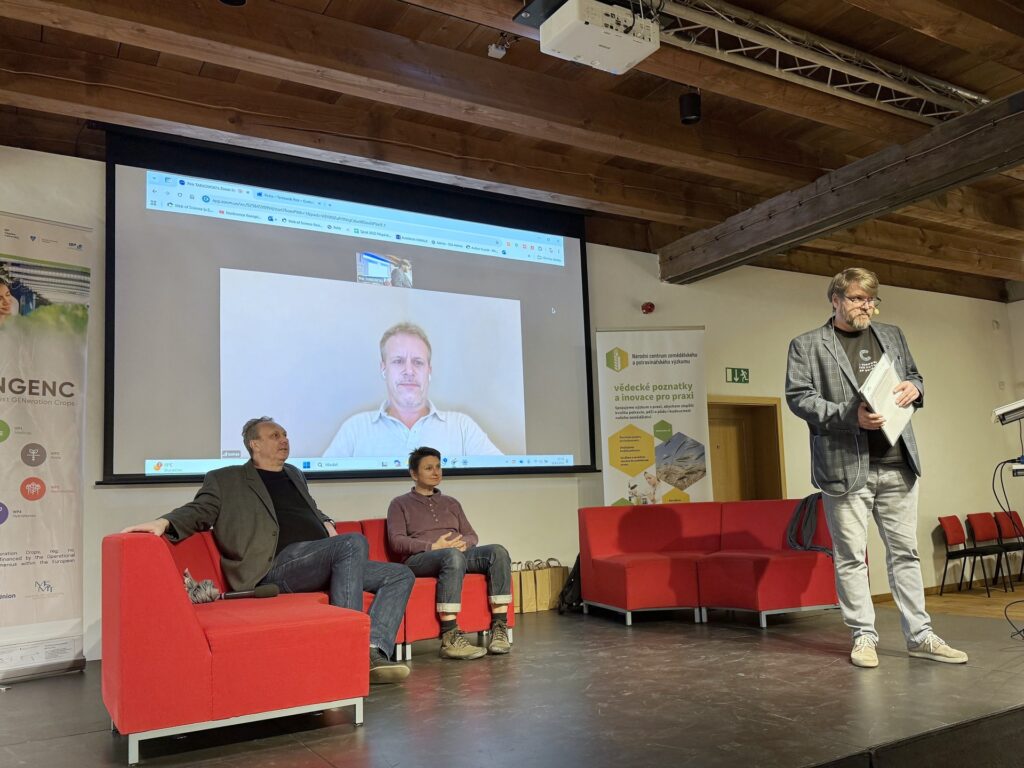
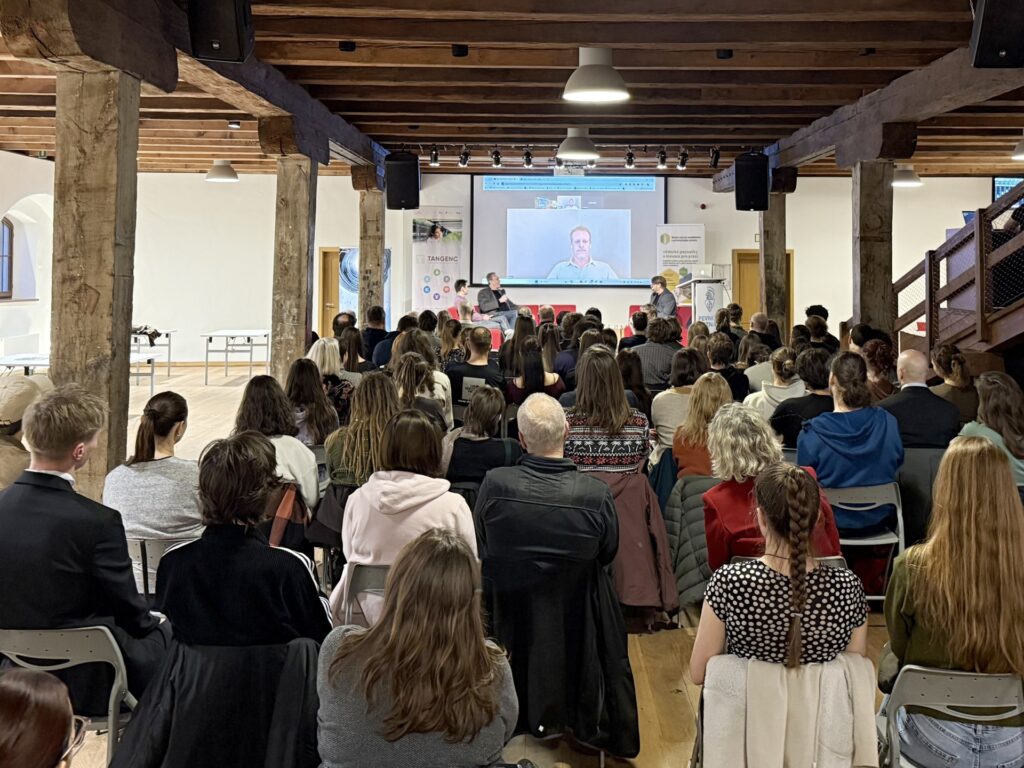
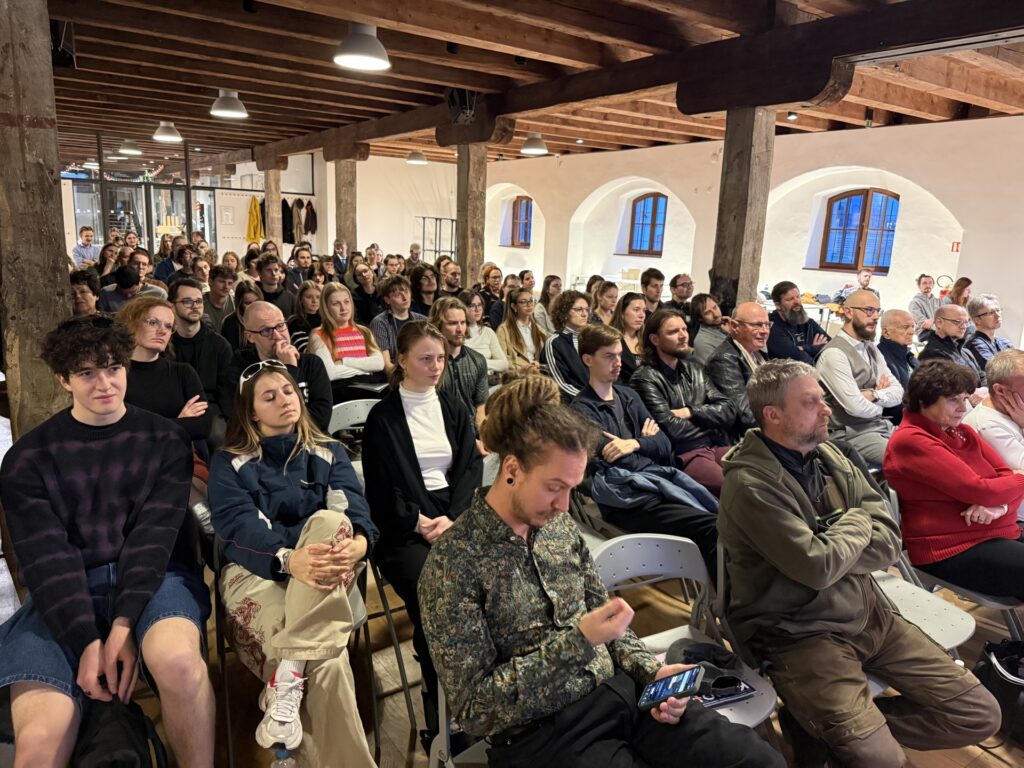
The main protagonists of the debate On Cannabis Without Prejudice, which took place on Wednesday at Fort Science discussed progress in the use and cultivation of cannabis, as well as persistent barriers. A peek into cannabis research at Palacký University was also provided. About a hundred people interested in the issue attended the debate.
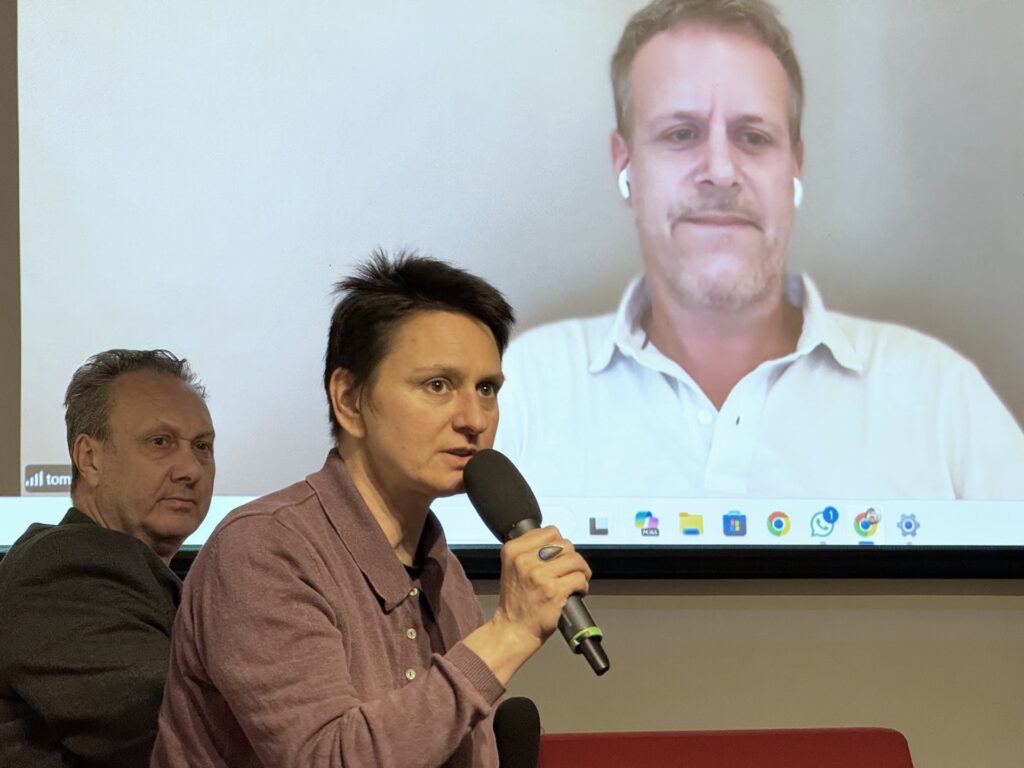
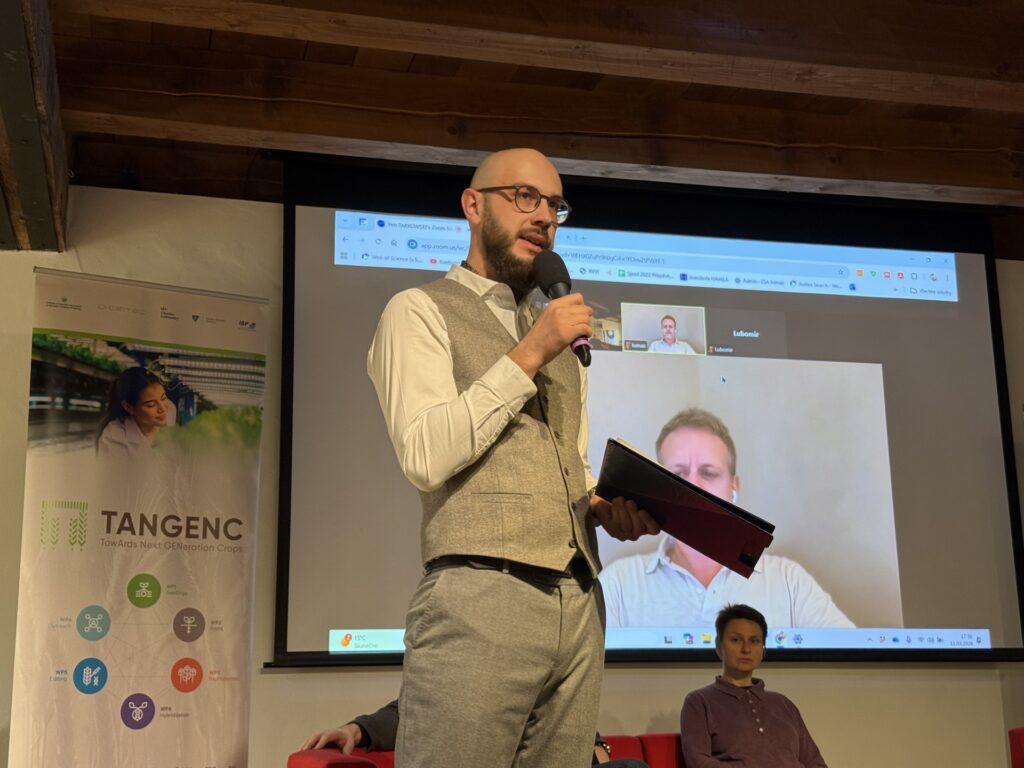
“Cannabis is still stigmatized in Czechia,” was one of the statements made during the discussion, which took place for the sixth year in a row. The destigmatization and decriminalization of this plant is one of the main goals of the entire debate cycle, in which leading experts on the issue have already spoken. This year, the invitation from the presenter and expert in medicinal plant biochemistry Petr Tarkowski from CATRIN was accepted by the president of the Czechemp cannabis cluster and internationally recognized expert on bioeconomics and cannabis cultivation Hana Gabrielová, epidemiologist and author of the concept of psychomodulatory substance regulation and advisor on drug policy Viktor Mravčík, and social and medical anthropologist Tomáš Ryška, who joined online from abroad. Hemp research at UP was briefly presented by doctoral students Jan Dehner from the UP Faculty of Medicine and Josef Baltazar Šenkyřík from the UP Faculty of Science, and there was also time to mention projects related to hemp research at CATRIN.
According to Tomáš Ryška, who, in addition to working at the University of Economics in Prague, is the director of Astrasana Pharma and founder of the Kanape pro pacienty (Couch for Patients) project, medical cannabis is not being used sufficiently in the Czech Republic. The fact that, since April last year, general practitioners have also been able to prescribe it to eligible patients has not contributed to a significant improvement. “Last year, over 400 kilograms of medical cannabis were dispensed in the Czech Republic to approximately 6,000 to 8,000 patients. However, many times more people have to obtain medical cannabis elsewhere than from pharmacies. There are several reasons for this, ranging from the conservative approach of doctors to pharmacies. Most of them do not dispense cannabis to patients because it involves very complex administration and low margins, so it is not really profitable for them,” Ryška pointed out some of the difficulties.
Nevertheless, according to the main protagonists, cannabis myths are gradually being dispelled and public opinion is changing. An example of this is the recent creation and approval of a list of psychomodulatory substances, which since last year has included kratom and its extracts. Viktor Mravčík was behind this unique step, which is also inspiring other countries. “We are changing the world, and I am optimistic that we will move forward and add more substances to the list,” said Mravčík, who also pointed out the very strict regulation of medical cannabis.
Demand for industrial hemp is growing in the Czech Republic as well as abroad, but the significant expansion of cultivation of this crop in the Czech Republic is hampered by, among other things, insufficient infrastructure for its processing. “My goal is to see hemp growing in Czech fields. I believe that this could be more successful in the future, not only because of its wide range of uses, from construction to the textile industry, but also because of its regenerative function. Farmers might be persuaded by the argument that growing hemp does not degrade the soil, but rather enriches it,” said Gabrielová.
The main organizer was pleased with the great public interest. “About a hundred spectators, that’s what I call a good turnout. In the future, we will try to carefully select topics with the invited guests according to public interest so that the debate is interesting for everyone until the end,” concluded Tarkowski.