Light-Driven Technologies
- Chemistry
- Agriculture
- Translational Medicine
- Renewable Energy
- Innovative Materials
- Nanotechnologies

About the group
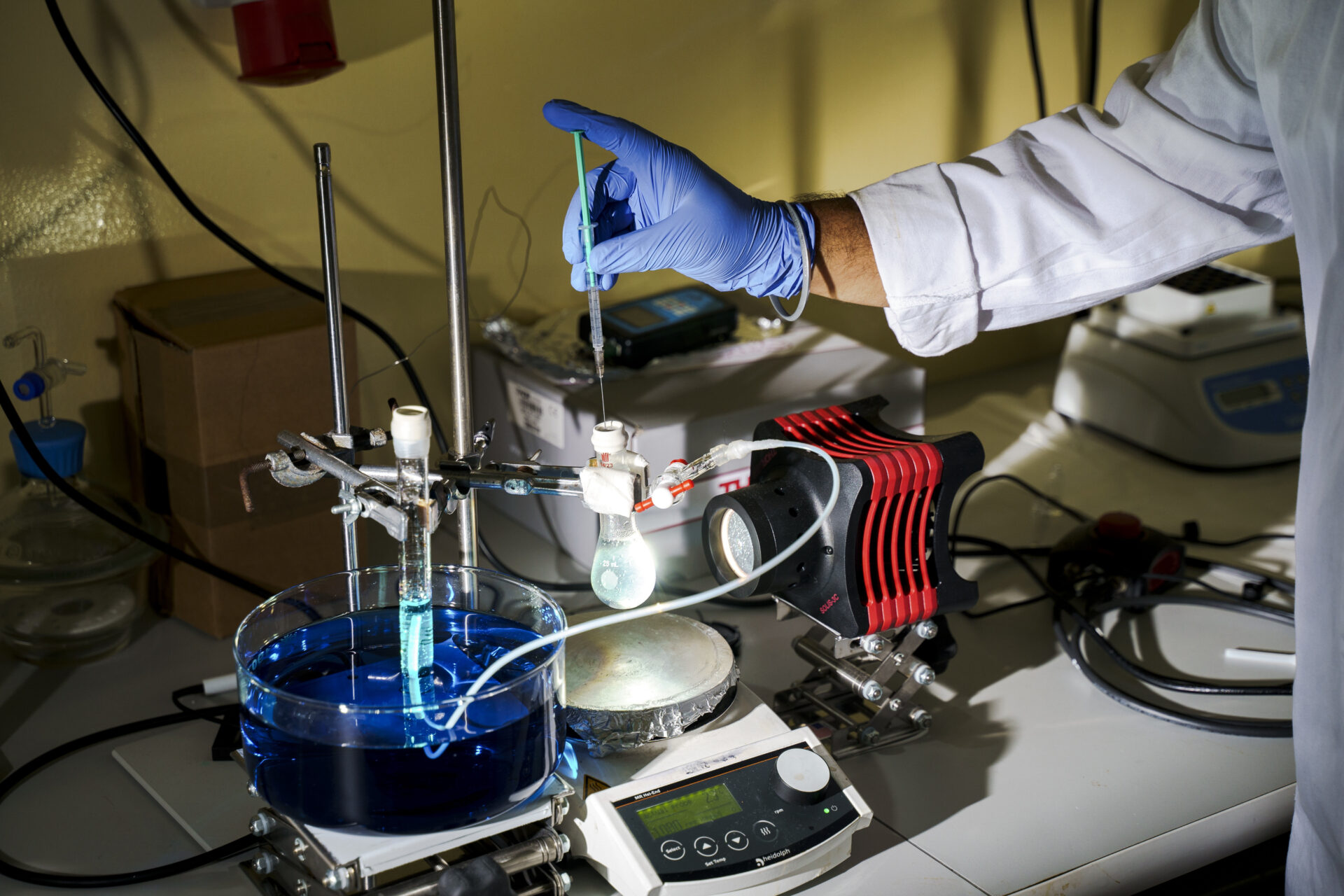
The Light-Driven Technologies group focuses on the design and development of advanced functional materials, nanostructures, and hybrid catalytic systems for sustainable energy conversion and environmental applications. Our research integrates metal-oxide semiconductors (TiO₂, α-Fe₂O₃, BiVO₄, WO₃), carbon-based and carbon nitride materials, emerging perovskites, and plasmonic transition-metal nitrides (TiN, ZrN) to develop highly efficient photocatalytic, photoelectrochemical, electrocatalytic, and photothermal systems.
A central research strategy is the synergistic integration of nanostructure engineering, surface and defect modification, heterojunction design, and atomically dispersed co-catalysts, including single-atom catalysts. Using advanced material synthesis and deposition techniques, such as atomic layer deposition and magnetron sputtering, we tailor light absorption, charge-carrier dynamics, catalytic selectivity, and local photothermal effects. Particular emphasis is placed on understanding the underlying reaction mechanisms through advanced spectroscopy, including in situ/operando EPR and DRIFTS, high-resolution electron microscopy, and theoretical modelling based on density functional theory (DFT).
Our research targets solar hydrogen production, water splitting, selective CO₂ reduction, nitrate-to-ammonia conversion, ammonia decomposition, and the catalytic valorization of biomass-derived compounds. We also explore emerging plasmon-enhanced and thermoplasmonic technologies for efficient solar-to-chemical energy conversion. By combining fundamental materials research with comprehensive photocatalytic, electrochemical, and photoelectrochemical characterization, the group aims to bridge the gap between mechanistic understanding and the development of practical technologies for clean energy and environmental sustainability.
News

List of Employees
Group publications
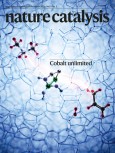
NATURE CATALYSIS, vol. 9, pp. 389–403, 2026.
IF = 48.3
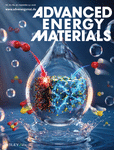
Advanced Energy Materials, Article in press, 2026.
IF = 25.5
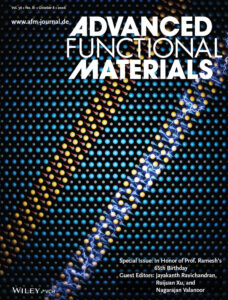
ADVANCED FUNCTIONAL MATERIALS, Article in press, article no. e78919, 2026.
IF = 19.9

ADVANCED FUNCTIONAL MATERIALS, vol. 36, iss. 21, article no. e05216, 2026.
IF = 19.9

CHEM, vol. 12, iss. 3, pp. 102785, 2026.
IF = 19.1
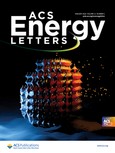
ACS ENERGY LETTERS, vol. 11, iss. 1, pp. 892-898, 2026.
IF = 17.5