
Plant diagnostics and treatment. The foundations of a new field are being laid in Olomouc
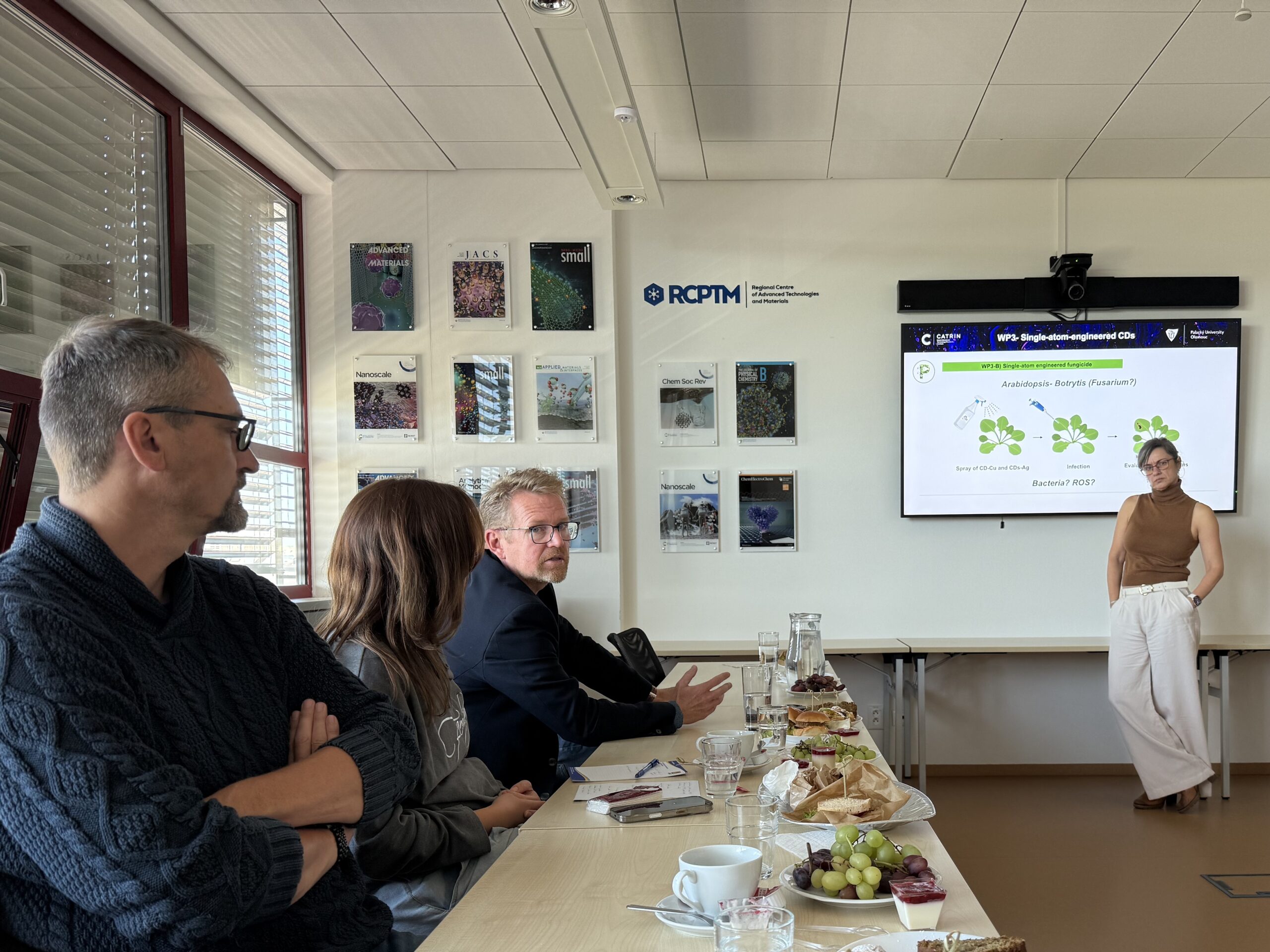
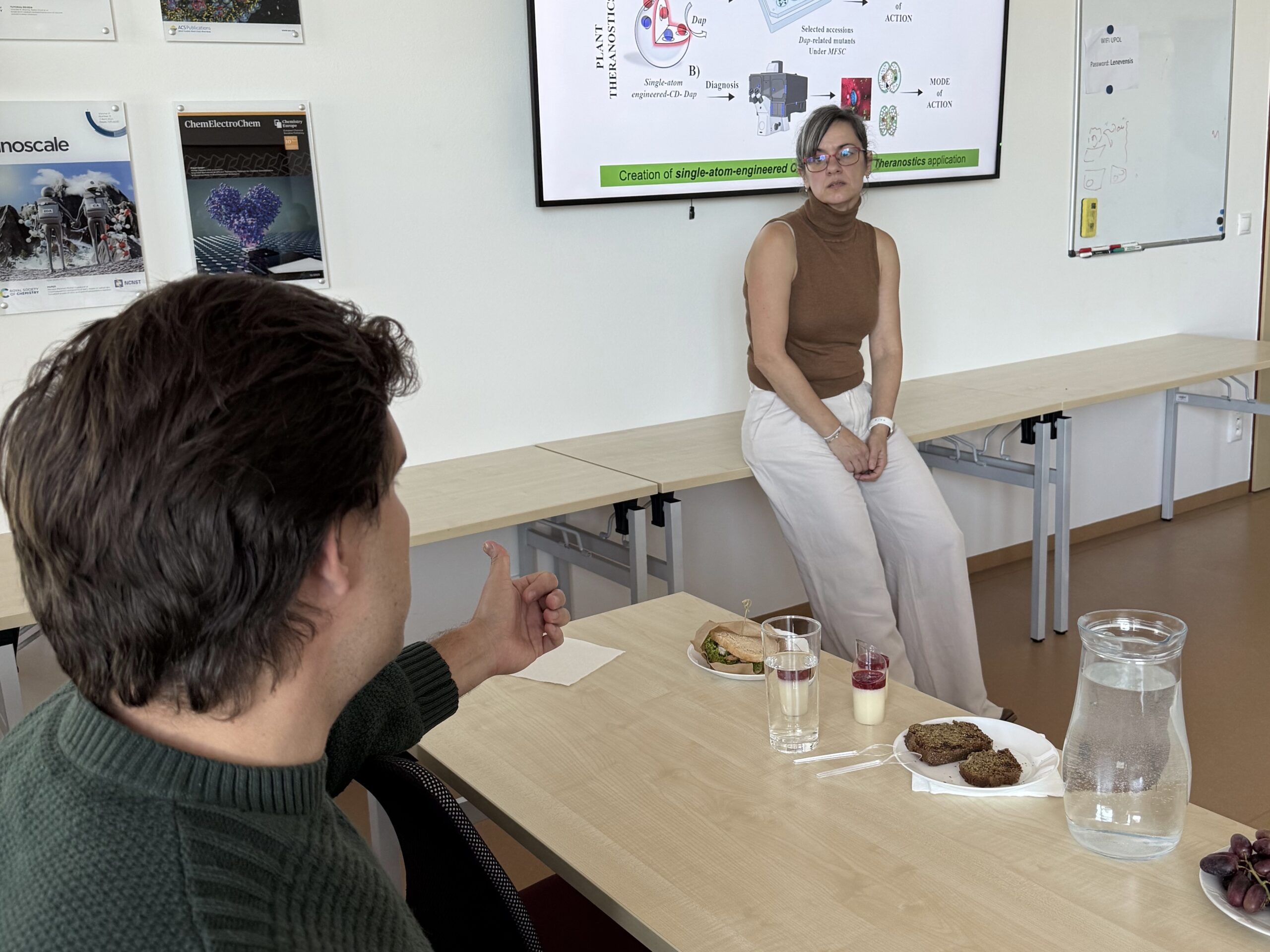
The PLANTONICS project, launched today at the Czech Advanced Technology and Research Institute – CATRIN at Palacký University, aims to lay the foundations for a new field: Plant Theranostics. Its principal investigator, Nuria De Diego, was successful in the prestigious ERC CZ competition and has received CZK 18.6 million to integrate diagnostic and therapeutic approaches with the aim of increasing plant resilience under adverse conditions.
“Securing this grant is a great success, and as a scientist, I find it fascinating to explore new pathways of knowledge. Plant theranostics combines plant biology, data science and nanotechnology. Collaborating with colleagues from different disciplines and bringing their fields together is exactly what I enjoy most about science. Thanks to this collaboration, we will be able to study plants in a very comprehensive way, and the insights gained may help mitigate the impact of adverse conditions on agricultural crops and contribute to food security,” said Nuria De Diego, leader of the Plant–Environment Interactions research group at CATRIN.
While scientists have so far typically studied plant responses to a single selected stress factor – such as drought, high temperatures or pathogen attack – Plant Theranostics will focus on several factors simultaneously. Experts will focus on both biotic stresses caused by living organisms, such as pests or diseases, and abiotic stresses triggered, for example, by drought, high temperatures or nutrient deficiency.
“We will create an experimental platform that will enable this approach. This will allow us to identify new biomarkers associated with plant resilience and subsequently translate these into diagnostic and therapeutic tools to enhance plant tolerance to adverse conditions,” explained the researcher.
The cutting-edge technologies available at CATRIN will also be essential to the research, including high-throughput phenotyping, metabolomics (the analysis of low-molecular-weight compounds), and carbon-based nanotechnologies, using Arabidopsis thaliana as the model plant. The researchers will also use artificial intelligence to integrate the information and identify biomarkers related to plant resilience under multifactorial stress conditions.
The two-year project was ranked 1st to 3rd in the overall assessment. Projects that had received scores A or B in the evaluation carried out by expert panels of the European Research Council were eligible to apply for ERC CZ funding.