Scientists develop and test new compounds with anticancer potential
A collaboration between researchers from the University of Pardubice, CATRIN-MAT and the Faculty of Science at Palacký University Olomouc, as well as two faculties of Charles University, has yielded promising results in the search for new compounds with anticancer potential. A study published in the journal Bioorganic Chemistry has shown that selected diiminoisoindoles and related compounds significantly reduce the viability of A2780 ovarian cancer cells and their cisplatin-resistant variant, A2780R.
The researchers synthesised an extensive library of diiminoisoindoles, guanidines and DII–guanidine conjugates. They subsequently carried out a comprehensive characterisation of the structural, electronic and electrochemical properties of all the types of compounds prepared.
“The most effective compound proved approximately 13 times more potent than the commonly used anticancer drug cisplatin in laboratory tests. Another advantage of some of the compounds is their selectivity, as they showed significantly stronger effects on A2780 and A2780R cancer cells than on non-cancerous human MRC-5 cells,” said Zdeněk Trávníček, one of the study’s authors. CATRIN researchers were primarily involved in the biological part of the study.
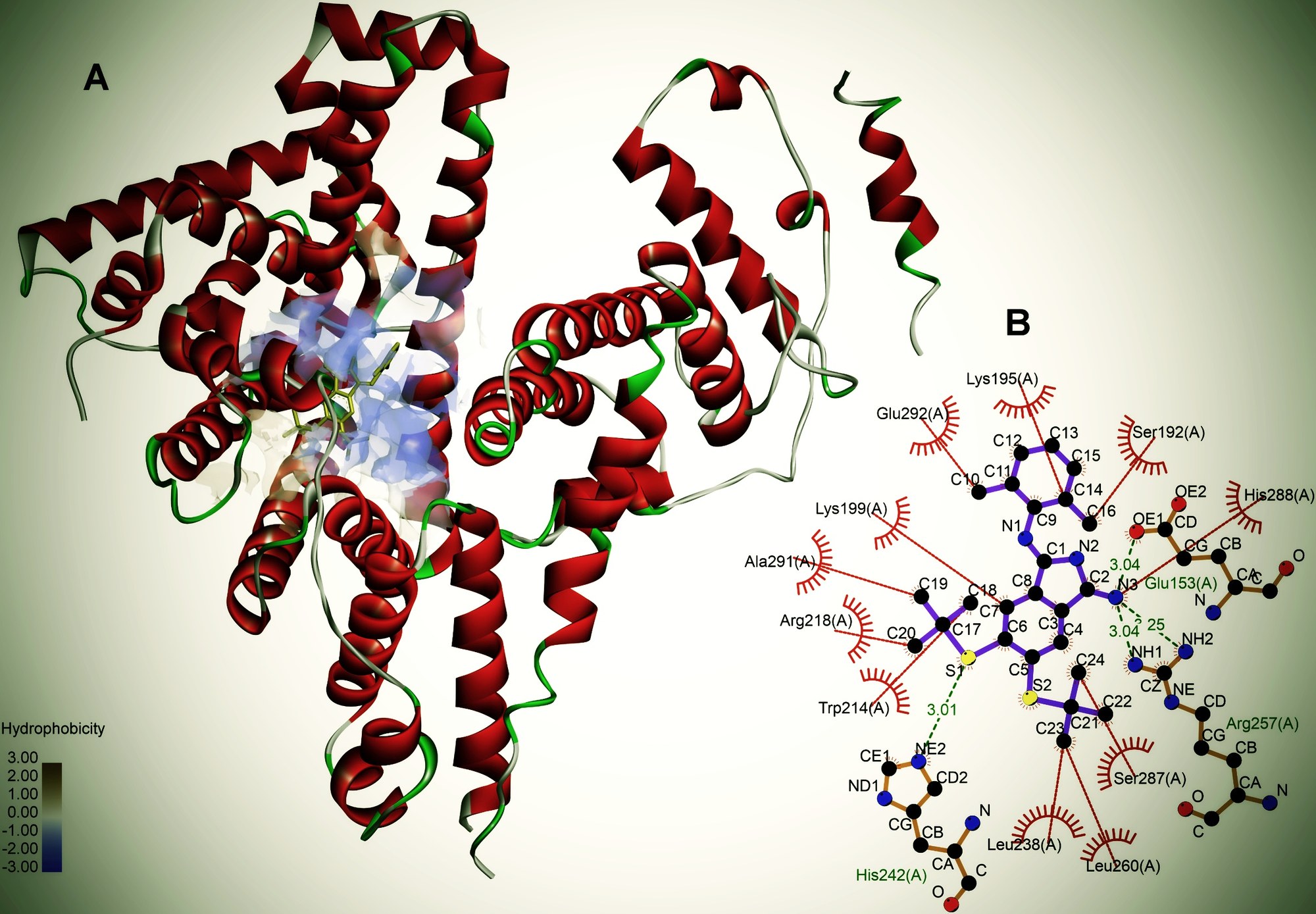
The experimental data were complemented by theoretical predictions obtained using a computational technique known as molecular docking. These findings could guide the targeted design of new derivatives with enhanced anticancer activity and favourable pharmacological properties. According to the researchers, the results therefore pave the way for further rational development of potential anticancer agents.